
ESRS Congress 2027
Knowledge for Sustainable Futures:
Rural Communities, Social Action and Democracy
On the occasion of the ESRS’s 70th anniversary, and in Wageningen, the place of its birth and first formative steps, we invite contributions exploring the role of knowledge, social agency and democracy in rural communities, and the contribution of engaged rural research in making sustainable rural futures. Across its history, rural sociology has been distinguished not only by its capacity to describe and understand the rural world, but also by its commitment to putting knowledge to work: pursuing ideas in action, influencing public debate and participation, and contributing to social change through its concepts, methods and practices.
Sustainable rural futures are informed by knowledge and shaped through processes in which competing ideas about desirable ways of living, producing and relating to rural spaces and the environment are negotiated, legitimised and contested. As rural societies face profound social, economic, ecological and political transformations, questions of whose knowledge counts, which futures are imagined, and how pathways of change are realised become increasingly important. Rural sociology has a key role to play in critically examining and shaping these processes and contributing to debates on more just, democratic and sustainable rural futures.
The conference theme is Knowledge for Sustainable Futures, with a focus on rural communities, social action, and democracy. A description of the conference themes can be found below. The invitation to submit a proposal for a Working Group (WG) and contribute to shaping the scientific program of the congress can be found here. A call for abstracts will follow in December
Rural Communities
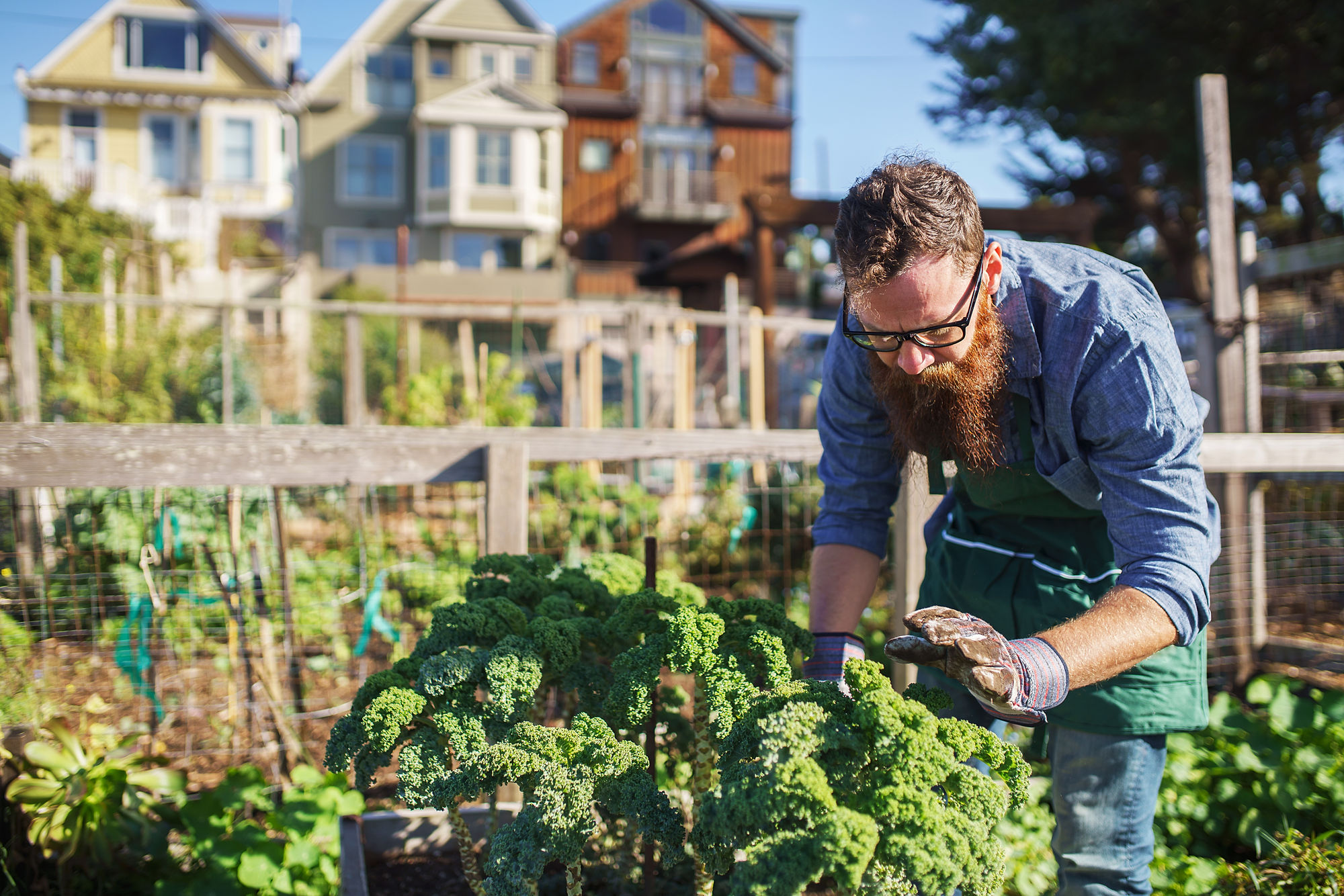
Rural communities points to the social relations, solidarities, resourcefulness and everyday interdependencies through which rural lives are sustained.
Rural communities are not merely settings in which change occurs; they are active sites of learning, interpretation, innovation, adaptation and resilience, and contexts where struggles over the future take place. Their knowledge, experience and access to capital, power and expertise shape how environmental and socio-economic instabilities are understood and addressed, and how households, enterprises and territories respond to opportunities, uncertainties and threats.
Contributions to the theme extend to transformations in agriculture, forestry and fishing, including digitalisation, social renewal, and gender dynamics; evolving and alternative food systems; policies, resource creation and development, and migration patterns that reconfigure rural livelihoods, identities and labour relations; and interdependencies extending beyond the rural, through urban–rural relations and regional and international flows.
The theme also considers how rural economies are organised and shaped, how inclusion, exclusion, inequalities and othering influence belonging, and how cultural meanings and practices are created.
It further addresses the impacts of armed conflict and conflict preparedness on rural communities and agri-food systems, how these may be reshaping rural territories as spaces of displacement, reconstruction and contested futures, and implications for food security and governance of rural land use.
Social Action
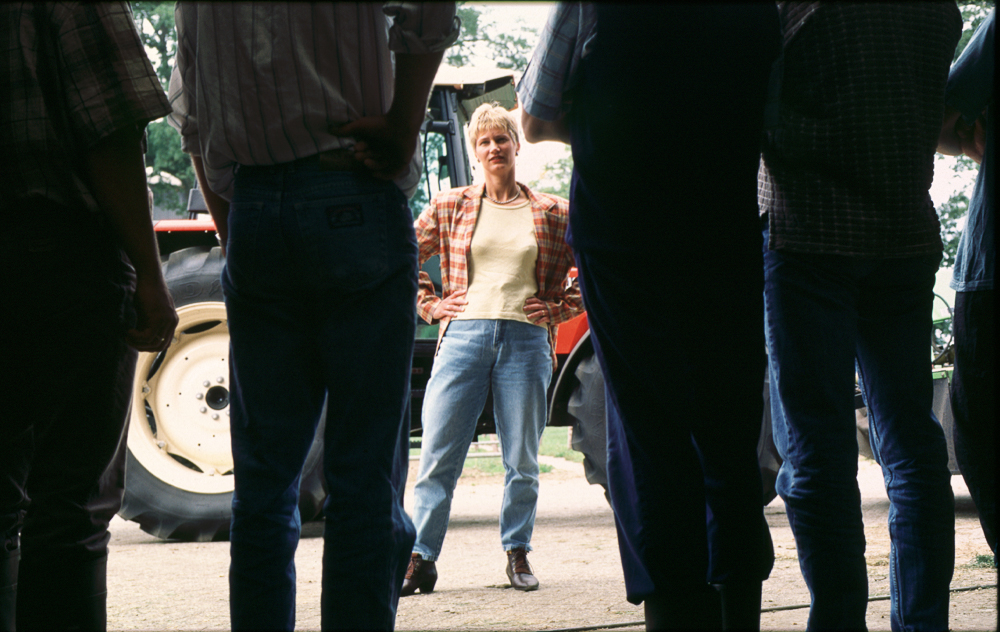
Social action draws attention to the relationship between knowledge and practice (praxis), and how communities and researchers exercise agency in shaping rural futures.
How do rural communities, farmers, foresters, fishers and other actors learn, share knowledge and skills, and resolve problems?
How might their creativity, innovation, knowledge and lived experience be more fully recognised in development processes and policy agendas?
And how is rural sociology engaging in the co-development of ideas, methods and practices for sustainable futures?
We welcome contributions on knowledge production and co-production, socially distributed expertise in addressing food security, environmental change and rural development, and reflections on the evolution of rural sociology itself, its interdscipinary and comparative traditions, and its relationship to policy and practice, social and technological change.
How do rural communities and rural social actors respond to and engage with state policies and interventions?
Are any social movements emerging from the interactions or conflicts between rural, governmental, and non-governmental actors?
What role do social networks and social capital play in explaining developments and driving change in rural settings where interventions and policies are implemented?
Democracy
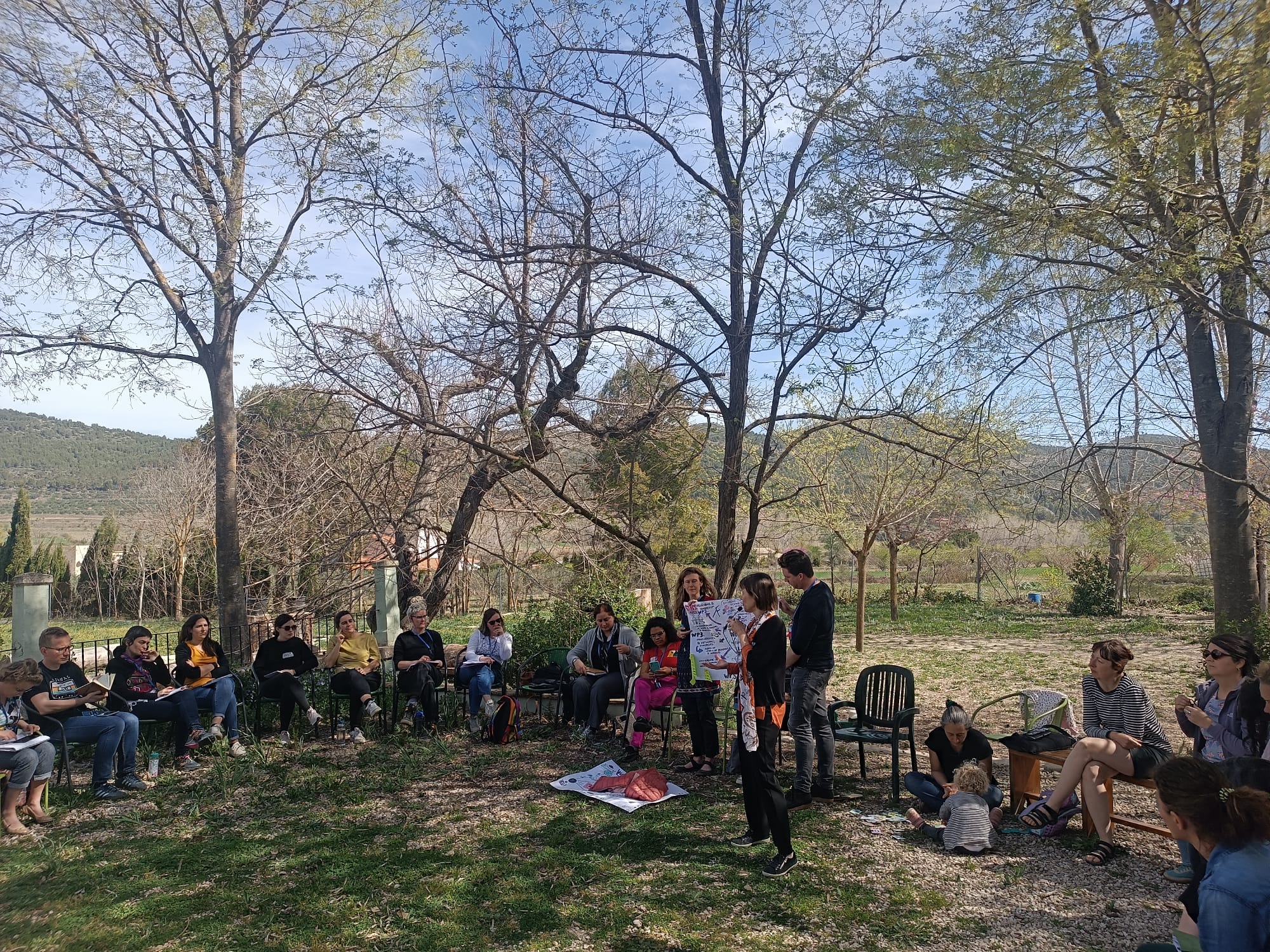
Democracy invites reflection on power, participation, representation, exclusion, voice and public decision-making in rural contexts and agri-food systems, especially amid pressures on democracy and democratic institutions, the rise of populism and illiberal politics, and growing strains on rural communities and research.
We invite contributions that explore how rural communities and other actors negotiate choices and conflicts, how democratic capacities and governance are strengthened or undermined, and how rural spaces become sites where futures are debated and enacted, including how rhetoric around marginalised groups may constrain or stigmatise participation and voice.
We also encourage work extending these questions to the interdependencies and solidarities connecting people, ecologies, animals and technologies, including the material dimensions of land, forests, fisheries and other natural resources, and their governance in sustainability transitions.
How are rural spaces becoming arenas where democracy, security, mobility and belonging are negotiated?
How are rural landscapes becoming sites of bordering, securitisation and conflict, where infrastructures, environments and natural features are used to regulate mobility?
Contributions
We welcome theoretical, empirical, historical and methodological contributions that engage critically and creatively with these themes. Contributions may revisit the history of rural sociology, trace changing meanings of sustainability, explore the layered character of democracy, or reflect on the responsibilities and vulnerabilities of rural research.
Seventy years after ESRS’s founding, the 2027 Congress will reflect on what knowledge rural sociology has produced, whose interests it has served, and how it has shaped understandings of rural change? How has engaged rural scholarship shaped democratic and sustainable futures?
For example, indicative topics could include:
narratives and contested meanings of sustainable futures
social-ecological transformation and competing transformation pathways
agriculture and rural change, including social relations and solidarities, gender relations and generational renewal
(alternative) food systems and food security at multiple scales
rural communities as a locus of enterprise, innovation and learning
places left behind, inequalities, poverty, social exclusion and deprivation
migration, mobility and rural livelihoods, including migrant labour and return-to-the-land movements, forced displacement, refugee reception and rural settlement
urban–rural relations, translocal connections and processes
natural environment, land commons and resource governance
more-than-human interdependencies and solidarities in rural communities
technological change and digitalisation in rural, agricultural and food systems
social impacts of technology and artificial intelligence
praxis, agency and the application of ideas through social action
politics of knowledge production, co-production, and democratisation of expertise
knowledge production during crises, incl. participation of displaced people
democracy, power, participation, and inclusion in rural communities, governance and public life
illiberalism, populism and democratic strain in rural settings
bordering, securitisation and the weaponisation of rural landscapes
rural borderlands, islands, remoteness
governance of conflict-affected rural spaces
war, armed conflict, rural resilience and post-conflict reconstruction
the trajectories, public roles and responsibilities of rural sociology
historical and forward perspectives on engaged rural sociology / rural sociology in action
